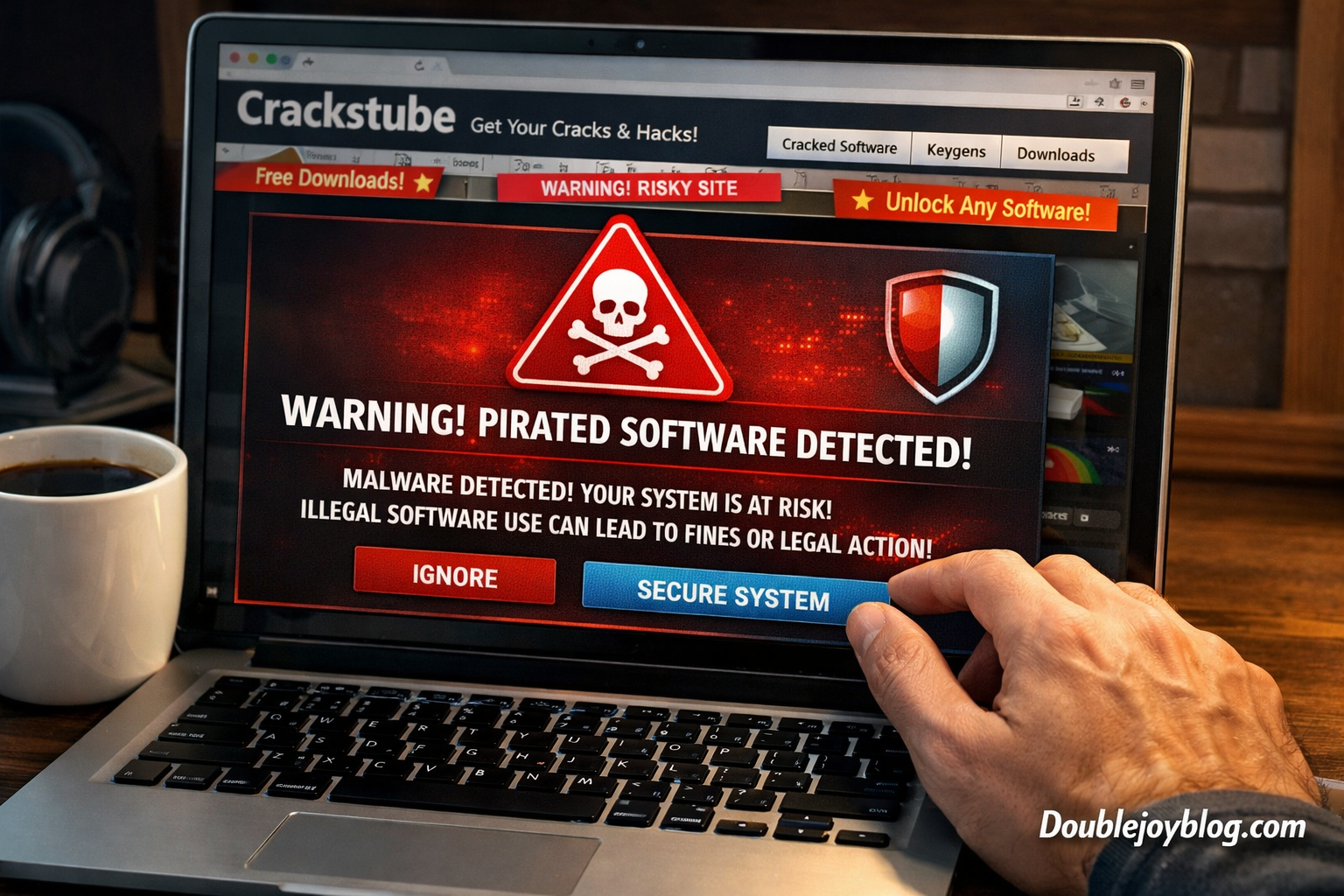
In today’s digital age, the temptation of free software and media often leads people to explore websites offering content without payment or subscriptions. One such term that has gained attention online is “Crackstube.” While it may sound like a simple name for a video streaming platform, Crackstube refers to a much more controversial world of pirated content and cracked software. These sites offer users the chance to access movies, software, and other media for free—but at a significant cost.
Though the allure of free content is undeniable, using websites like Crackstube comes with hidden dangers. From malware infections to legal issues, the risks are high, and the consequences can be severe. In this article, we’ll dive deep into what Crackstube is, the dangers of using such platforms, and explore safer, legal alternatives that protect your devices, your privacy, and your peace of mind.
What Does Crackstube Actually Mean?
“Crackstube” may sound like a term for an entertainment platform, but it’s actually a term that combines two very distinct concepts. The first part, “crack,” refers to cracked software—software that has been altered to bypass licensing or payment requirements. The second part, “tube,” takes inspiration from platforms like YouTube, which are commonly associated with free media and videos. Together, the term is used in online circles to describe websites that host cracked software or free media content, often without the necessary permissions.
When people talk about Crackstube, they could be referencing platforms that share movies, TV shows, or even software that users can access without paying. While these sites might seem like convenient and cost-free alternatives, they come with hidden dangers. The appeal of getting things for free is undeniable, but the reality is that these sites can cause major problems, from security risks to legal issues.
The term Crackstube doesn’t refer to one official platform but rather an umbrella term for any websites involved in such activities. In some cases, these sites might also include adult content or other unregulated forms of media that attract users searching for free content. However, whether it’s a media site or a cracked software platform, users should always be cautious and consider the potential consequences.
The Origins of the Term “Crackstube”
The term “Crackstube” likely evolved as internet slang. It combines the word “crack,” commonly used to refer to illegally altered software, and “tube,” a nod to popular platforms like YouTube where media content is streamed freely. The combination suggests a platform or website offering free, unregulated access to either software or media—typically circumventing the need for subscriptions or licenses.
Though its exact origin is unclear, the popularity of terms like “crack” in the digital piracy community likely influenced the creation of Crackstube. In many ways, Crackstube acts as a catch-all term for sites where users can freely download or stream cracked software or pirated media. These sites are often unofficial, and their operations may violate copyright laws and intellectual property rights.
What’s more interesting is that the use of the word “tube” hints at a deeper connection to video-sharing platforms. It emphasizes the idea that Crackstube sites might mimic popular video-sharing sites like YouTube, but instead of offering legal content, they provide users with unlicensed material for free viewing. This model appeals to people who want to access content without paying a subscription fee.
How Unofficial Platforms Like Crackstube Work
At its core, Crackstube websites are designed to give users free access to digital media or software, bypassing the usual legal and financial requirements. For video content, these platforms may host pirated movies, shows, and other media. The idea is simple: users can visit these sites and watch or download media without needing to pay for it or register for a subscription.
For cracked software, Crackstube websites operate similarly by offering programs that have been tampered with to remove licensing barriers. This means users can get access to software like Adobe Photoshop, Microsoft Office, or other paid tools for free—but at a major cost. These cracked versions are often modified in ways that render them unstable or unsafe to use.
The appeal of sites like Crackstube lies in their ease of use and the ability to get what users want without paying for it. However, this comes at the expense of legality and security. Downloading cracked software or pirated content often means taking risks with your device’s safety, as these sites may expose you to malware, viruses, or other digital threats.
The Risks of Using Sites Linked to Crackstube
While the idea of free access to software or content might seem appealing, there are significant risks involved in visiting sites that fall under the Crackstube category. One of the most concerning risks is malware. Many of these websites are not regulated and can host files that are infected with harmful viruses, trojans, or even ransomware.
These malicious programs can cause severe damage to your computer or mobile device. They can steal personal data, corrupt files, or even lock your device and demand payment to unlock it. Since these sites are unofficial, they do not provide any form of customer support or security measures, making it difficult to recover from such attacks.
Another major issue is that these sites are notorious for using aggressive pop-up ads and misleading download links. These ads might not just be annoying but can lead to further malicious websites or attempt to trick users into giving up personal information. Whether you’re downloading software or streaming a movie, the safety of these sites is always questionable.
Cracked Software—What It Means & Why It Matters
Cracked software refers to programs that have been tampered with to remove licensing protections. This allows users to access the software without having to pay for it. For example, imagine trying to use Adobe Photoshop, which typically requires a subscription. With a cracked version, a user can use the program for free, but at the expense of the software’s stability and security.
While the appeal of free software might seem tempting, using cracked software comes with serious consequences. For one, the program may not function as intended. Cracked software versions often lack necessary updates, leaving users vulnerable to bugs, glitches, and security issues. This means that important security patches that would otherwise protect your computer from threats are never applied.
From a legal standpoint, using cracked software is illegal in many countries. It violates copyright laws and the intellectual property rights of the original creators. Software companies rely on licensing fees to fund their development, and piracy undermines their efforts to innovate and maintain their products. By using cracked software, you are participating in a global issue that has real-world economic and ethical consequences.
Legal Consequences of Pirated Downloads
Downloading or using pirated content, including software or media from sites like Crackstube, is not just risky, it is also illegal. Intellectual property laws protect the creators of digital products, and by downloading cracked software or pirated media, you’re violating those rights. These laws are enforced in many countries, and legal actions can be taken against individuals or organizations caught distributing or using pirated content.
For instance, in the United States, downloading or distributing pirated software can result in severe penalties, including fines and imprisonment. Many other countries have similar laws, making the consequences of illegal downloads not just a technical risk, but a criminal issue as well. In some cases, you may face civil lawsuits from the creators or distributors of the pirated content.
Even though these websites often operate anonymously or under fake names, they are still traceable. With advanced tracking techniques, authorities are increasingly able to identify and prosecute people involved in illegal downloading or distribution. So, while the temptation to use free, pirated content may be strong, it’s essential to understand the long-term consequences of getting caught.
Security Dangers: Malware, Viruses & Identity Theft
One of the primary dangers of using Crackstube websites is exposure to malware. Since these sites often host pirated content or cracked software, they are not regulated and are highly susceptible to digital threats. When users download files from such sites, they often unknowingly install malicious software on their devices.
Malware can take many forms, including viruses, spyware, ransomware, and trojans. Some of these programs are designed to steal sensitive information, such as login credentials, financial details, and personal files. Others can take control of your device, effectively locking you out and demanding a ransom to return access. In severe cases, malware can destroy valuable data or render your system completely unusable.
In addition to direct damage to your device, these infections can lead to identity theft. Malware is often designed to collect sensitive data such as passwords and credit card numbers. This means that, by using cracked software or pirated content, you are not just risking your device, but also exposing yourself to financial loss and identity theft. If your personal information is compromised, the aftermath can be costly and time-consuming to resolve.
Safer Alternatives to Lawless Platforms
Instead of risking exposure to malware, viruses, or legal consequences, there are plenty of legal and safer alternatives to websites like Crackstube. For those looking for free content, platforms like YouTube and Vimeo offer a wide range of movies, shows, and educational videos at no cost. These platforms are legally licensed and have strong community guidelines to ensure the content is appropriate and safe for users.
For software users, many companies offer free trials or open-source alternatives that provide similar functionality to paid software. Programs like LibreOffice (an alternative to Microsoft Office) and GIMP (an alternative to Adobe Photoshop) offer fully functional tools without the need to crack anything. Additionally, open-source communities often create software that is free to use, with no legal risks involved.
For those who enjoy media streaming, legal platforms like Netflix, Hulu, and Amazon Prime Video offer free trials or tiered pricing, making it easy to access high-quality content at an affordable price. Not only do these platforms provide legal content, but they also give users peace of mind knowing that they are protected from security threats and legal issues.
How to Protect Your Devices Online
Given the risks associated with using illegal websites like Crackstube, it’s important to take steps to protect your devices and personal data. Here are some simple tips to improve your online safety:
- Use Antivirus Software: Always have reliable antivirus software installed on your device. It can help detect and eliminate potential threats before they cause any damage.
- Enable Firewall Protection: A firewall acts as a barrier between your device and the internet. It helps block unauthorized access and can prevent malware from entering your system.
- Update Software Regularly: Software companies release updates to patch security vulnerabilities. Outdated software is one of the easiest ways for hackers to gain access to your system, so ensure that all programs are updated regularly.
- Avoid Suspicious Links: Don’t click on links or download files from unknown or suspicious websites. Legitimate websites will never ask you to install additional software or input sensitive information.
By following these basic security practices, you can protect yourself from the risks posed by illegitimate websites and ensure that your devices stay safe and secure.
Read More: How to Advertise FeedBuzzard Com: A Complete Guide
Final Thoughts and Best Practices
Crackstube websites may seem tempting for those who want free software or media, but the risks far outweigh the rewards. Whether it’s malware, legal issues, or ethical concerns, there are plenty of reasons to avoid these sites. By choosing legal alternatives and following basic online safety practices, you can enjoy content and software without the fear of compromising your security or facing legal repercussions.
Ultimately, making the shift toward safe, licensed platforms not only protects you from digital threats but also supports the creators and developers who produce the content and software we use every day. Let’s make a conscious effort to support ethical practices and ensure that we protect our personal data and privacy.